Buildings at the 1893 World’s Columbian Exposition in Chicago, illuminated by George Westinghouse’s alternating current. Field Museum Library/Wikipedia, CC BY
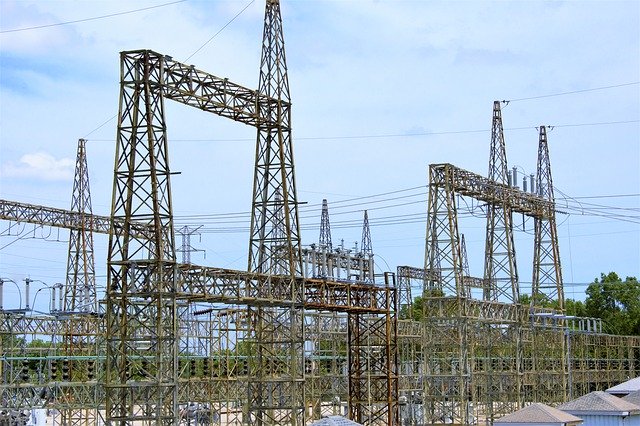
Many experts view the electric power grid as the greatest engineering achievement of the 20th century. But if Thomas Edison, inventor of the first commercial power plant, had had his way, the modern grid would not have been built. Instead the U.S. would have been powered by numerous coal-burning power plants, spaced a mile or so apart, with no electricity at all in rural areas.
Another electricity pioneer, engineer and inventor George Westinghouse, was convinced that Edison’s system wouldn’t scale, to use a modern term. When Westinghouse heard of a technology that would allow electricity to be sent over long distances with only small losses, he jumped into the electric power business.
Some individuals consume alcohol their entire adult life without developing an alcohol use disorder. Others, however, quickly transition to compulsive and problematic drinking. Can we determine what makes some people vulnerable to addiction?
Alcohol drinking is the third leading cause of preventable death in the United States, and is responsible for millions of deaths per year worldwide. If the reasons why some people are susceptible to alcohol use disorder were known, it might be possible to more effectively treat this devastating disease, or even intervene before serious problems emerge.
Growing up in Tanzania, I knew that fruit trees were useful. Climbing a mango tree to pick a fruit was a common thing to do when I was hungry, even though at times there were unintended consequences. My failure to resist consuming unripened fruit, for example, caused my stomach to hurt. With such incidents becoming frequent, it was helpful to learn from my mother that consuming the leaves of a particular plant helped alleviate my stomach pain.
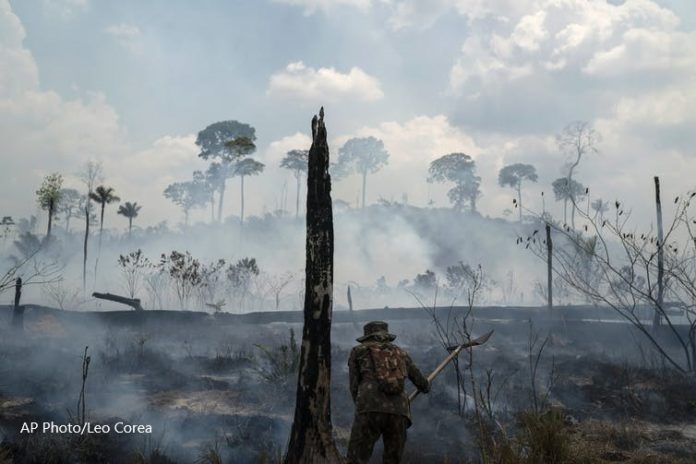
This lesson helped me appreciate the medicinal value of plants. However, I also witnessed my family and neighboring farmers clearing the land by slashing and burning unwanted trees and shrubs, seemingly unaware of their medicinal value, to create space for food crops.
In 2013 I took care of a gentleman who underwent surgery for what all his physicians, including me, thought was liver cancer. Surgery revealed that the disease was a rare but benign tumor, rather than cancer. As you might imagine, he and his family were overjoyed and relieved.
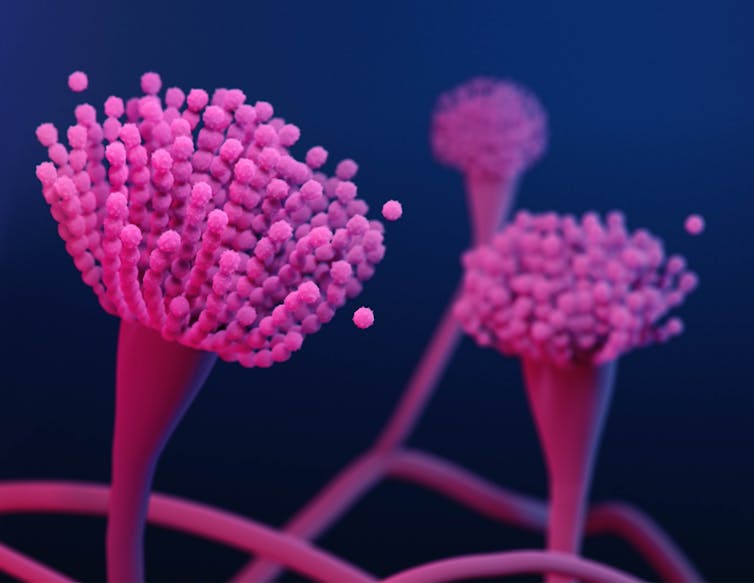
However, two weeks after this surgery, he developed a liver abscess – an encapsulated tissue infection. Surgeons operated to remove the abscess. Two days later, test results revealed that the abscess was caused by a fungus called Candida that was resistant to echinocandins, our most powerful drugs against this fungus.
For the first time in the United States, a gene editing tool has been used to treat advanced cancer in three patients and showed promising early results in a pilot phase 1 clinical trial. So far the treatment appears safe, and more results are expected soon.
To develop a safer and more effective treatment for cancer patients, scientists from the University of Pennsylvania, the Parker Institute for Cancer Immunotherapy in San Francisco and Tmunity Therapeutics, a biotech company in Philadelphia, developed an advanced version of immunotherapy. In this treatment, a patient’s own immune cells are removed from the body, trained to recognize specific cancer cells and then finally injected back into the patient where they multiply and destroy them.
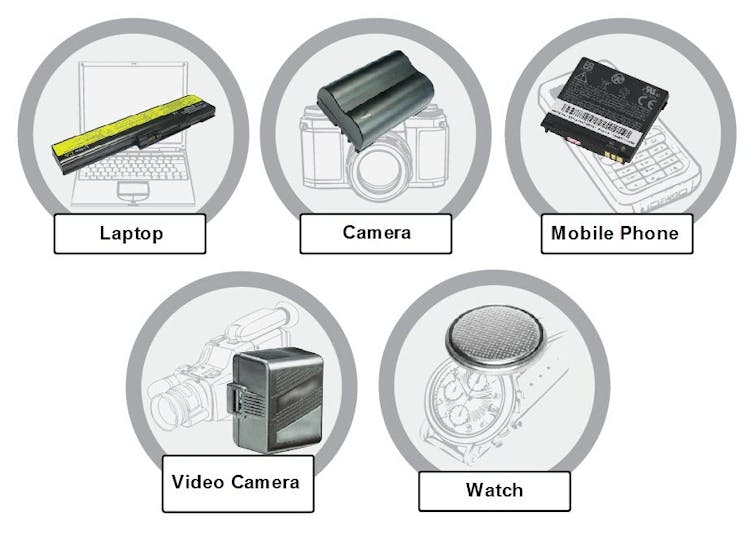
Three researchers who developed a technology at the heart of the smartphone era – and its resulting societal transformation – have won the 2019 Nobel Prize in Chemistry. The work of John B. Goodenough, M. Stanley Whittingham and Akira Yoshino made crucial advances in lithium-ion batteries, which store large amounts of power in small battery cells and are quick and easy to recharge.
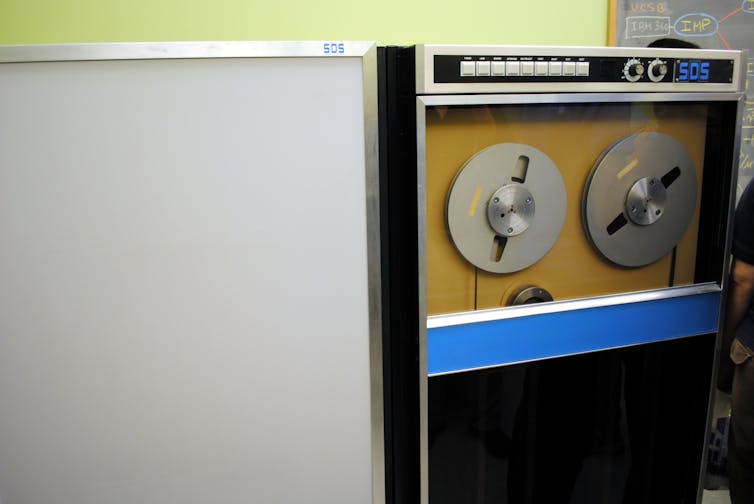
Fifty years ago, a UCLA computer science professor and his student sent the first message over the predecessor to the internet, a network called ARPANET.
In October 2019, a House Homeland Security Committee subcommittee held a hearing entitled “Defending the Homeland from Bioterrorism: Are We Prepared?” The answer was a resounding no.
The experts testified that our biodefense system has been vulnerable and outdated for well over a decade. This might provoke worries about weaponizing disease-causing microorganisms, or pathogens, like Ebola or anthrax. But you should probably also take a moment to consider your lunch: The next threat might come not from a hard-to-come-by virus but from something as simple as food that has been deliberately contaminated.
President Trump has called for ways to allow U.S. residents to buy cheaper prescription drugs from Canada. Many drugs are cheaper in Canada, thanks to government price controls in that country.
Canada offers the same drugs at cheaper prices because the Canadian government, which foots the bill for prescription drugs, will not pay for a drug if a government review board believes the cost is excessive. This board, the Patented Medicine Prices Review Board, is a quasi-judicial agency. It was established by Canadian Parliament in 1987 under the auspices of the minister of health. If the board thinks a price is too high, it won’t pay. Faced with loss of the entire Canadian market if it doesn’t lower prices, manufacturers capitulate.
Also, Canadians have different expectations about what is covered and what is not. Canadians accept that their health care resources are finite.
In addition, there are price caps after a drug appears on the Canadian market. The price charged each successive year is allowed to rise only with the rate of inflation. In the U.S., even generic drug prices can rise precipitously with little advanced warning.
The result is that drug manufacturers get the best deal they can from Canada and other countries with price controls as long as they have reasonable profitability and make most of their profit from U.S. consumers.
Sparse trees cast long shadows as the morning sun rises over the grassy woodland clearing. Elephants and rhinos gather around a quiet watering hole. A troop of baboons starts chattering as they wake up, preparing for the sweltering heat the day will bring.
The scene is straight out of The Lion King, but this isn’t Africa — this is Eastern Europe at the end of the Pliocene epoch, three million years ago.
It’s a world that’s familiar to Predrag Radović, a paleontologist at the National Museum in Kraljevo, Serbia. Radović has studied fossils from extinct European elephants like Zygolophodon, a large mastodon with three-metre-long tusks, and Deinotherium, which looked like a modern African elephant, except that its tusks grew from its bottom jaw and curved downwards.
Radović has identified the remains of a 12.5 million-year-old whale from the Miocene epoch (5.3 million to 23 million years ago), when much of Europe was submerged beneath a vast inland sea. Now Radović is writing a report about a tooth from Stephanorhinus, an extinct rhinoceros from the Ice Age.