Home Blog Page 12

Understanding Seasonal Affective Disorder

Photo of Teen showing stress
Image by María Prieto from Pixabay

US National Institutes of Health

Many people go through short periods of time where they feel sad or not like their usual selves. Sometimes, these mood changes begin and end when the seasons change. People may start to feel “down” when the days get shorter in the fall and winter (also called “winter blues”) and begin to feel better in the spring, with longer daylight hours.

In some cases, these mood changes are more serious and can affect how a person feels, thinks, and handles daily activities. If you have noticed significant changes in your mood and behavior whenever the seasons change, you may be suffering from seasonal affective disorder (SAD), a type of depression.

Ad Title
ARTICLE INLINE AD

Could oral antiviral pills be a game-changer for COVID-19?

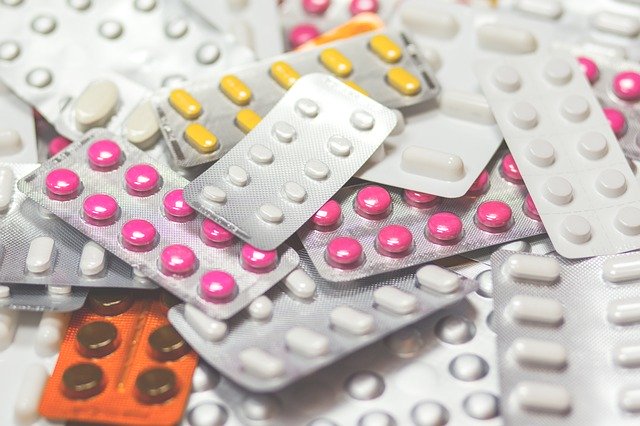
Photo of pills in single dose packaging
Image by Pexels from Pixabay

An infectious disease physician explains why these options are badly needed

Patrick Jackson, University of Virginia

Nearly two years into the pandemic, it has become starkly clear that we need better treatments for COVID-19 for people in the earlier stages of disease.

Two new antiviral drugs could soon be the first effective oral treatments for COVID-19 to help keep people out of the hospital. An advisory committee to the Food and Drug Administration plans to review the data supporting molnupiravir – a pill made by Merck and partner Ridgeback Therapeutics – on Nov. 30, 2021.

Ad Title
ARTICLE INLINE AD

White-tailed deer found to be huge reservoir of coronavirus infection

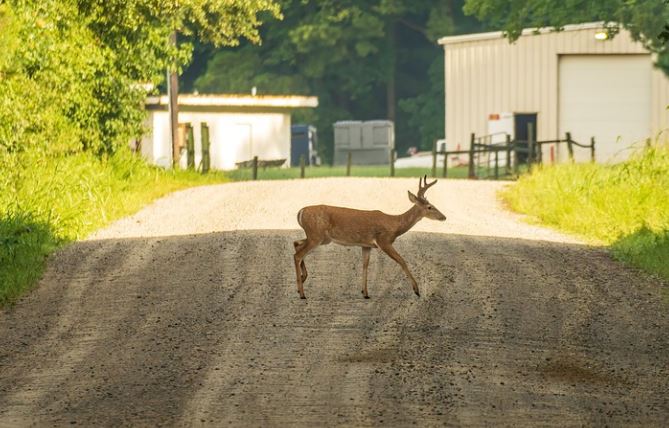
Photo of der walking near farm buildings
Image by 16081684 from Pixabay

Graeme Shannon, Bangor University; Amy Gresham, Bangor University, and Owain Barton, Bangor University

New research from the US has shown that white-tailed deer are being infected with SARS-CoV-2, the virus that causes COVID-19 in humans. Antibodies were found in 40% of deer that were tested from January to March 2021 across Michigan, Pennsylvania, Illinois and New York state. A second unpublished study has detected the virus in 80% of deer sampled in Iowa between November 2020 and January 2021.

Ad Title
ARTICLE INLINE AD

Antibiotic resistance is at a crisis point

Photo of bacteria in petri dish.
Bacteria that are resistant to every available antibiotic in the U.S. already exist. Rodolfo Parulan Jr/Moment via Getty Images

– government support for academia and Big Pharma to find new drugs could help defeat superbugs

Andre Hudson, Rochester Institute of Technology

Antibiotic resistance poses one of the most important health challenges of the 21st century. And time has already run out to stop its dire consequences.

The rise of multidrug-resistant bacteria has already led to a significant increase in human disease and death. The U.S. Centers for Disease Control and Prevention estimates that approximately 2.8 million people worldwide are infected with antibiotic-resistant bacteria, accounting for 35,000 deaths each year in the U.S. and 700,000 deaths around the globe.

Ad Title
ARTICLE INLINE AD

US planning for wind energy expansion

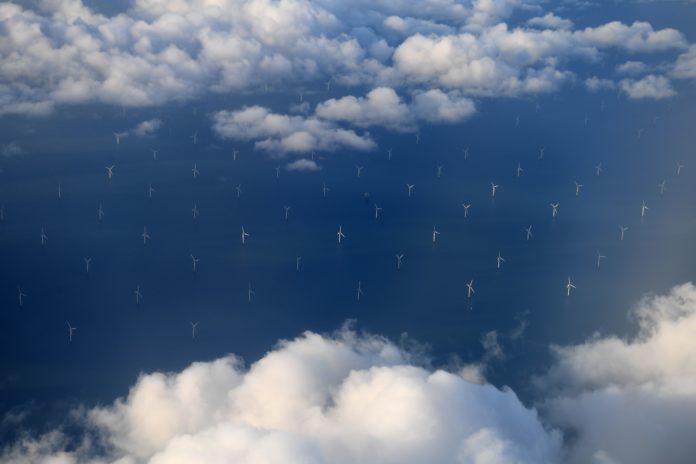
Photo of large ocean wind farm
Coming to U.S. waters? Here’s an aerial view of the Burbo Bank offshore wind farm in Liverpool Bay, England. Paul Ellis/AFP via Getty Images

Biden calls for a big expansion of offshore wind – here’s how officials decide where the turbines may go

David Cash, University of Massachusetts Boston

The Biden administration has announced ambitious plans to scale up leasing for offshore wind energy projects along the Atlantic, Gulf and Pacific coasts. In an announcement released on Oct. 13, 2021, the U.S. Department of the Interior stated that it will “use the best available science as well as knowledge from ocean users and other stakeholders to minimize conflict with existing uses and marine life.” University of Massachusetts Boston public policy scholar David W. Cash, who worked at senior levels in state government for a decade, describes how this process works.

Ad Title
ARTICLE INLINE AD
Americans are binging on protein

Photo of woman drinking a protein shake
A protein-rich shake is often the way many people try to get more of this nutrient into their diets. andresr E+ via Getty Images

Decades of hype turned protein into a superfood – and spawned a multibillion-dollar industry

Hannah Cutting-Jones, University of Oregon

Do you ever blend up a protein smoothie for breakfast, or grab a protein bar following an afternoon workout? If so, you are likely among the millions of people in search of more protein-rich diets.

Protein-enriched products are ubiquitous, and these days it seems protein can be infused into anything – even water. But the problem, as Kristi Wempen, a nutritionist at Mayo Clinic, points out, is that “contrary to all the hype that everyone needs more protein, most Americans get twice as much as they need.”

Ad Title
ARTICLE INLINE AD

Viruses are both the villains and heroes of life as we know it

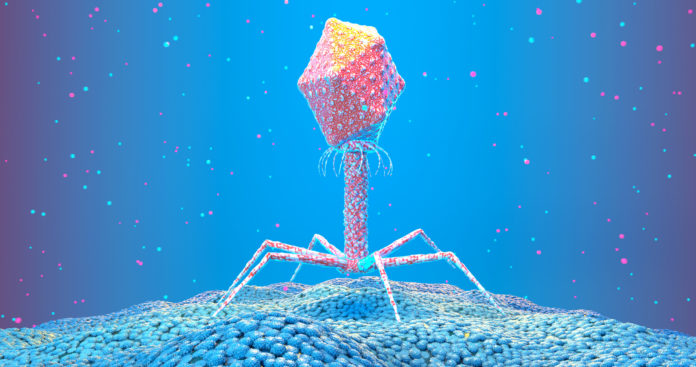
COmputer generated drawing of a virus
Bacteriophages are viruses that infect bacteria and play a potential role in the evolution of life. NANOCLUSTERING/SCIENCE PHOTO LIBRARY/Science Photo Library via Getty Images

Ivan Erill, University of Maryland, Baltimore County

Viruses have a bad reputation. They are responsible for the COVID-19 pandemic and a long list of maladies that have plagued humanity since time immemorial. Is there anything to celebrate about them?

Many biologists like me believe there is, at least for one specific type of virus – namely, bacteriophages, or viruses that infect bacteria. When the DNA of these viruses is captured by a cell, it may contain instructions that enable that cell to perform new tricks.

Ad Title
ARTICLE INLINE AD

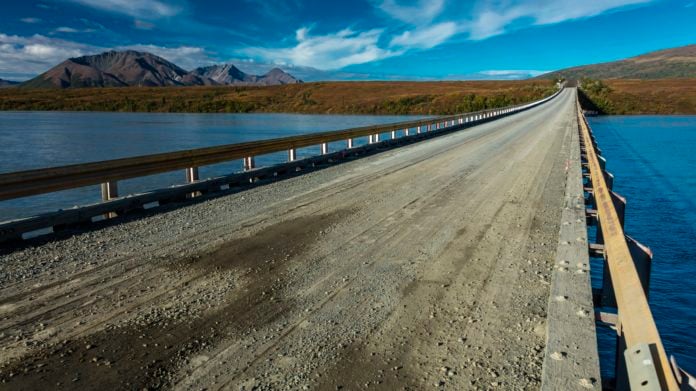
Thawing Alaska permafrost is accelerating bridge deterioration

Phto of a bridge and landscape in Alaska
The Denali Highway as it crosses the Susitna River. Joe Sohm/Visions of America/Universal Images Group via Getty Images

Rural Alaska has a bridge problem as permafrost thaws and crossing river ice gets riskier with climate change

Guangqing Chi, Penn State; Davin Holen, University of Alaska Fairbanks; Heather Randell, Penn State; Megan Mucioki, Penn State, and Rebecca Napolitano, Penn State

America’s bridges are in rough shape. Of the nearly 620,000 bridges over roads, rivers and other waterways across the U.S., more than 43,500 of them, about 7%, are considered “structurally deficient.”

Ad Title
ARTICLE INLINE AD

The 2021 Nobel Prize for medicine helps unravel mysteries about how the body senses temperature and pressure

Photo of a red chili pepper cut open to reveal seeds
David Julius, one of the two recipients of the 2021 medicine Nobel Prize, used the active component in chile peppers to study how the brain senses heat. Anton Eine/EyeEm via Getty Images

Steven D. Munger, University of Florida

Humans rely on our senses to tell us about the world. Which way is that waterfall? Is it day or night? Is that food fresh or spoiled?

Such questions are harder to answer if our sensory systems can’t detect the sound of rushing water, the shimmer of moonlight or the odor of spoiled milk. Prior to this week, the Nobel Committee for Physiology or Medicine had recognized important advances in our understanding of how sensations are detected in three sensory systems: hearing, vision and smell.

Ad Title
ARTICLE INLINE AD

The Latest on COVID-19 Boosters

Dr. Francis Collins
US National Institutes of Health

More than 180 million Americans, including more than 80 percent of people over age 65, are fully vaccinated against the SARS-CoV-2 virus responsible for COVID-19. There’s no question that full vaccination is the best way to protect yourself against this devastating virus and reduce your chances of developing severe or long-lasting illness if you do get sick. But, to stay ahead of this terrible virus, important questions do remain. A big one right now is: How soon will booster shots be needed and for whom?

Ad Title
ARTICLE INLINE AD

Ad Box1

Custom Ad 1
Cutsom Ad 1 Ad